Did different animal lines developed mineralized skeletons independently or was the ability to develop mineralized skeletons inherited from a common ancestor? Mineralized skeletons are encountered in all the principal branches of the animal kingdom.
•skeletons in two taxa can be accepted as independently derived if they don’t share a common ancestor that is itself mineralized; i.e., foraminiferas and echinoderms clearly show two different origins for their calcium carbonate (CaCO3) skeletons.

Figure 1.1:The circled images represent groups which display the phenomenon of biomineralization: 1. Origin of Life; 2. Archaea and Eubacteria; 3. Radiolarians, Heliosphaera and Diatoms; 4. Plants; 5. Fungi; 6. Porifera and Cnidaria; 7. Mollusks; 8. Arthropods; 9. Echinoderms; 10. Vertebrates. On the right are the principle biomineralization products related to each group: (a) CaCO3 (calcium carbonate): Appears as calcite, aragonite, vaterite and other amorphous forms and/or precursors. (b) CaPO3 (calcium phosphate): Appears as apatite, hydroxyapatite and other amorphous forms (and/or precursors). (c) SiO2 (silicon dioxide). (d) Others: Other biomineralization products; e.g.,: arachnids and fish can mineralize guanine crystals in their epidermis; fungi and bacteria can extract and mineralize heavy metals in suspension around them; bacteria can mineralize iron in the form of ferrite.
Conservative estimates suggest that carbonized skeletons evolved at least 28 times within the Eukaryotes — i.e., disconsidering bacteria and archaea, but that number might be much larger, considering three questions that could indicate multiple origins of carbonated mineralization in coral demosponges:
. The diversity of “problematic” skeletons in rocks from the Lower Cambrian;
. The existence of standards of skeletal precipitation;
. and the observed discontinuous stratigraphic distributions
Biomineralization of Skeletal Structures
The biomineralization of skeletal structures was a epiphenomenon of the general irradiation of body and tissue plans. Skeletal elements are considered major aspects in many corporal plans (directly related to diverse symmetries), its origin and diversification may have stimulated the evolutionary irradiation of the Cambrian. The characteristic corporal plans of the most striking bilateral phylas appear in the same interval (lower and middle Cambrian), constituting the origin of current phyla and classes. Skeletons evolved as the principal components of many corporal plans, restricting the subsequent evolutionary course of these clades. Skeletons certainly diversified together with the taxa that obtained them, to the point that they obtained 80% of the modern morphotype skeletons present in the middle Cambrian period. The diversity of minerals incorporated by skeletonized animals suggests a limited role for oceanic geochemistry on the emergence of skeletons even though the first acquisition of carbonized mineral skeletons was driven by oceanic geochemistry.
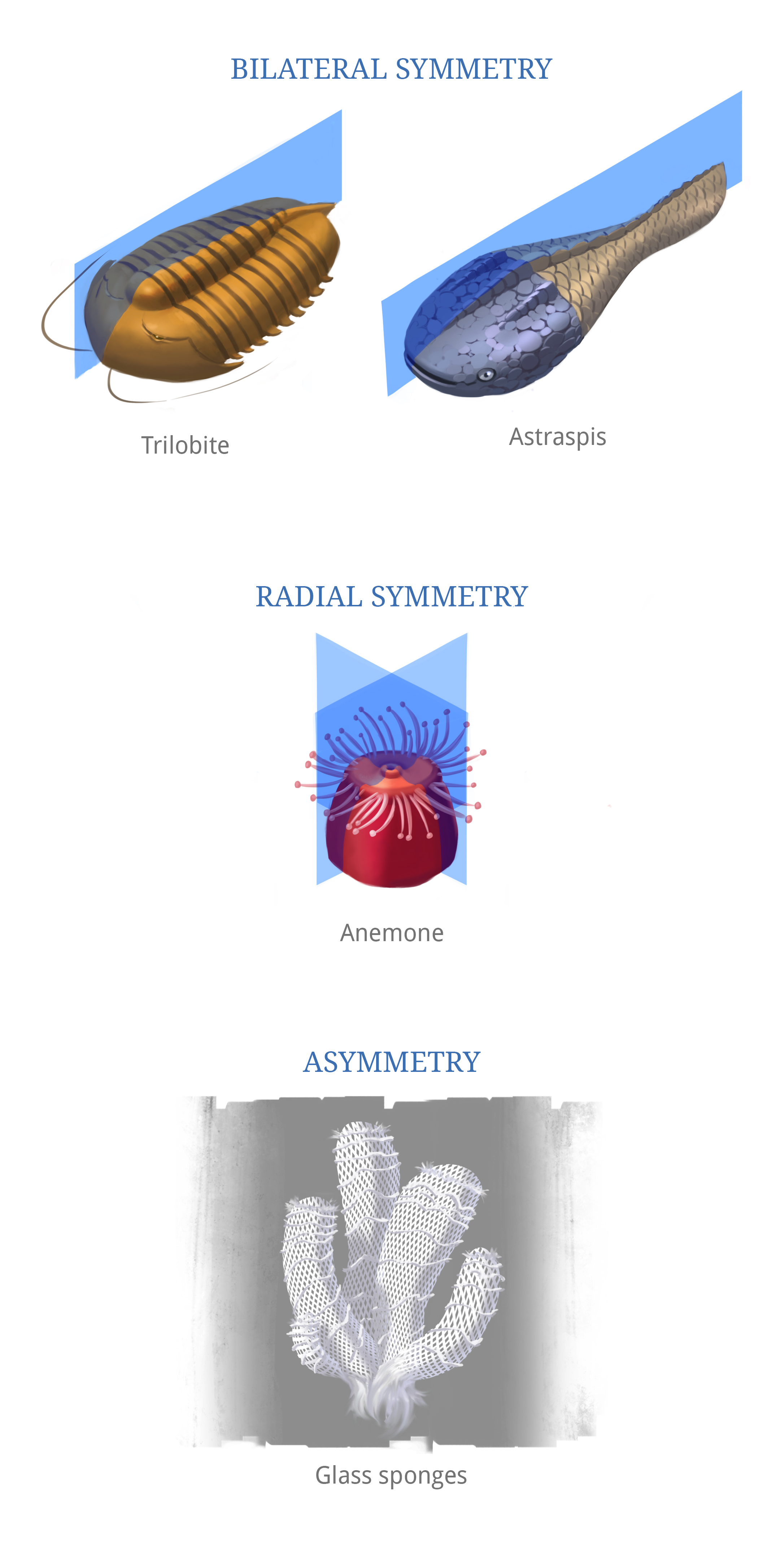
Figure 1.2: Symmetry on the origin of animal diversity.